Transforming Ideas into Iconic Spaces: Voomet’s Step-by-Step Restaurant Interior Design Process
The restaurant industry is more competitive than ever, and creating a memorable dining experience goes far beyond serving exceptional food. Today's successful restaurants understand that ambiance, atmosphere, and visual appeal play crucial roles in attracting customers and building brand loyalty. This is where professional restaurant interior decorators step in to transform ordinary spaces into extraordinary culinary destinations.
Understanding the Vision: The Foundation of Great Design
Every successful restaurant interior design project begins with understanding the client's vision, brand identity, and target audience. Professional restaurant interior designers start by conducting comprehensive consultations to grasp the restaurant's concept, cuisine style, and desired customer experience. Whether it's a cozy family bistro, an upscale fine dining establishment, or a trendy fast-casual spot, each concept requires a unique design approach that reflects the brand's personality and values.
The initial phase involves analyzing the existing space, identifying structural limitations, and exploring possibilities for maximizing both functionality and aesthetic appeal. This foundational step ensures that every design decision aligns with the restaurant's overall business objectives and customer expectations.
Space Planning: Maximizing Efficiency and Flow
Effective space planning is the backbone of successful restaurant interior design. Expert restaurant interior designers carefully analyze traffic patterns, kitchen requirements, and dining area optimization to create seamless operations. This involves strategically positioning dining tables, bar seating, service stations, and pathways to ensure smooth movement for both staff and customers.
The layout must balance maximum seating capacity with comfortable spacing, ensuring guests feel relaxed rather than cramped. Professional restaurant interior decorators understand that poor space planning can negatively impact service efficiency and customer satisfaction, making this phase critical to the project's success.
Concept Development and Design Strategy
Once the spatial requirements are established, the creative process begins. Restaurant interior designers develop comprehensive design concepts that incorporate color schemes, lighting strategies, material selections, and overall aesthetic themes. This phase involves creating mood boards, sketches, and preliminary design proposals that capture the restaurant's intended atmosphere.
The design strategy must consider practical elements such as durability, maintenance requirements, and compliance with health and safety regulations while maintaining visual appeal. Every design choice, from wall treatments to flooring materials, is carefully selected to withstand the demands of a busy restaurant environment.
Restaurant Furniture Design: Balancing Style and Functionality
Selecting appropriate furniture is a crucial aspect of restaurant furniture design that significantly impacts both aesthetics and operations. Restaurant furniture design must prioritize comfort, durability, and style while considering factors such as space efficiency and maintenance requirements.
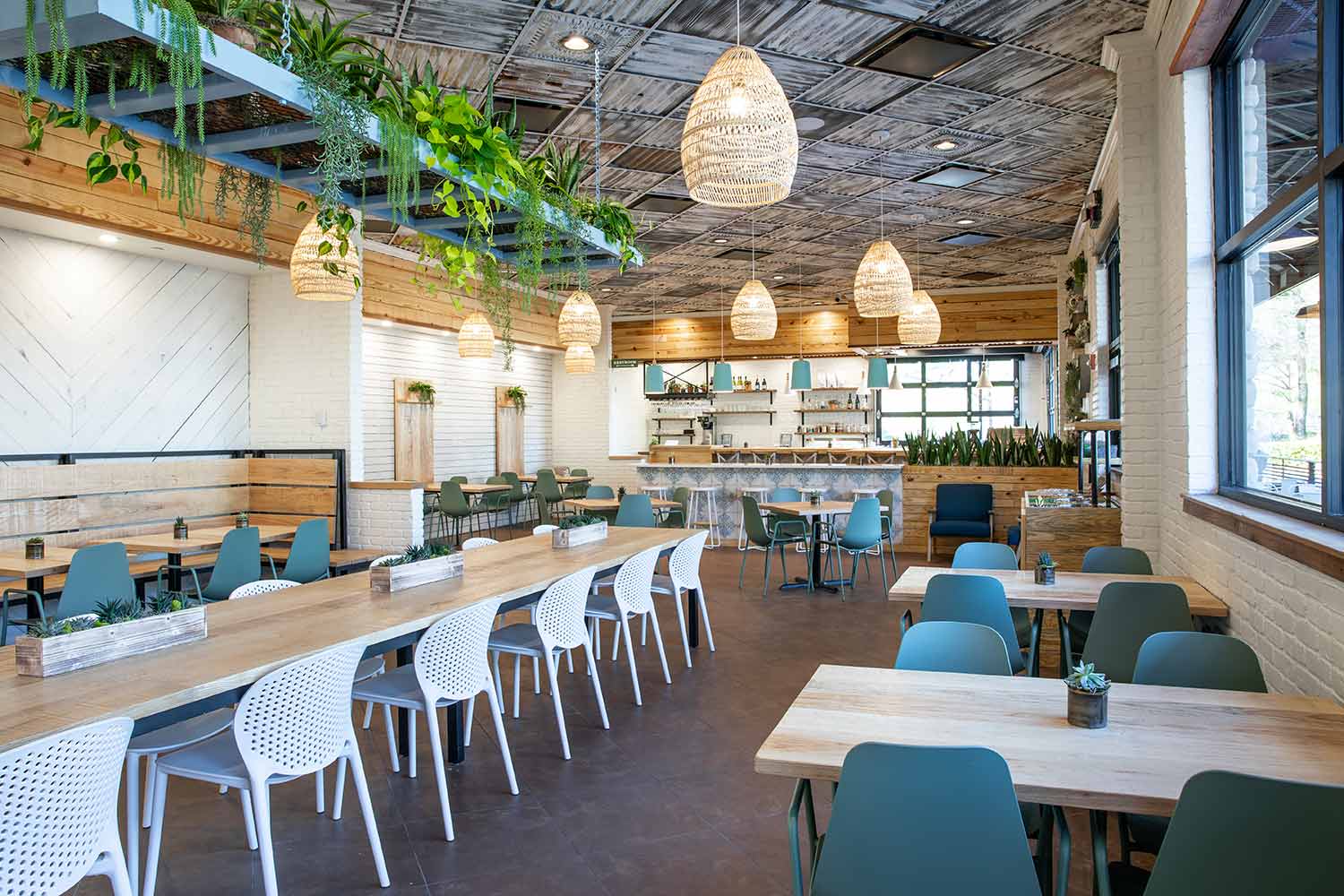
Professional designers carefully choose seating options, tables, bar stools, and accent pieces that complement the overall design theme while meeting practical needs. The furniture layout must facilitate easy cleaning, accommodate various group sizes, and create intimate dining experiences. Quality restaurant furniture design also considers acoustic properties, ensuring that hard surfaces don't create excessive noise levels that detract from the dining experience.
Lighting Design: Creating the Perfect Ambiance
Lighting plays a transformative role in restaurant interior design, influencing mood, highlighting architectural features, and enhancing the overall dining experience. Professional restaurant interior designers employ layered lighting strategies that combine ambient, task, and accent lighting to create dynamic and inviting spaces.
The lighting design must be flexible enough to accommodate different times of day and various dining occasions. Warm, dimmed lighting might create intimacy for evening dining, while brighter, more energetic lighting could enhance the lunch atmosphere. Strategic placement of fixtures also helps define different zones within the restaurant space.
Material Selection and Color Psychology
Choosing appropriate materials and colors requires a deep understanding of how these elements affect customer perception and behavior. Restaurant interior decorators leverage color psychology to create desired emotional responses, whether it's stimulating appetite with warm tones or creating a sense of sophistication with neutral palettes.
Material selections must balance aesthetic appeal with practical considerations such as durability, cleaning requirements, and budget constraints. High-traffic areas require materials that can withstand constant use while maintaining their appearance over time.
Implementation and Project Management
The implementation phase requires meticulous project management to ensure timely completion and adherence to design specifications. Professional restaurant interior designers coordinate with contractors, suppliers, and tradespeople to execute the design vision while minimizing disruption to business operations.
This phase includes overseeing the installation of fixtures, furniture placement, final styling, and quality control inspections. Attention to detail during implementation ensures that the finished space matches the approved design concepts and meets all functional requirements.
Where Creativity Meets Trust
Voomet stands as a leading name among restaurant interior designers, specializing in creating distinctive dining spaces that captivate customers and drive business success. With years of experience in restaurant interior design, our team combines creative vision with practical expertise to deliver exceptional results.
Our comprehensive services include concept development, space planning, furniture selection, lighting design, and complete project management. We understand that every restaurant has unique requirements, and we pride ourselves on delivering customized solutions that reflect each client's brand identity and business objectives.
Contact Voomet:
Contact Voomet:
📞 +91 9845014279, +91 8884000930
✉️ info@voomet.com
🌐 https://voomet.com/
📍 No. 166, Obandehalli Industrial Area, Doddaballapura, Bangalore, Karnataka.
Have any Questions
Frequently Asked Questions
Our comprehensive process includes:
Understanding the Vision: We conduct detailed consultations to understand your restaurant concept, brand identity, and target audience
Space Planning: Analyzing traffic patterns and optimizing layout for maximum efficiency and customer comfort
Concept Development: Creating design strategies with color schemes, lighting, and material selections
Furniture Design: Selecting pieces that balance style, functionality, and durability
Implementation: Managing the entire project from start to finish with quality control
Project timelines vary based on space size and complexity. For a medium-sized restaurant like our Prova project (3,500 sqft), the complete process typically takes 8-12 weeks from initial consultation to final implementation, including design development, approvals, and execution phases.
We begin every project with comprehensive consultations to understand your restaurant's concept, cuisine style, and target customer experience. Whether you're planning a cozy family bistro, upscale fine dining, or trendy fast-casual spot, we develop design concepts that authentically reflect your brand's personality and values.
Our selection process prioritizes:
Durability: Materials that withstand constant use in high-traffic areas
Comfort and Style: Pieces that enhance the dining experience
Maintenance: Easy-to-clean materials and finishes
Space Efficiency: Optimizing layout for various group sizes
Budget Considerations: Cost-effective solutions without compromising quality
Our comprehensive services include concept development, space planning, restaurant furniture design, lighting design, material selection, and complete project management. Getting started is easy - contact us for an initial consultation where we'll discuss your vision, requirements, and project goals.